HVAC Inspection in Raleigh, NC

Know exactly what shape your HVAC system is in

Professional HVAC Inspection in the Triangle

Buying a home? Concerned about your system’s condition? Have not had your HVAC looked at in years? A professional inspection reveals exactly what shape your system is in — what is working well, what needs attention now, and what may need attention soon.

Icy Hot’s HVAC inspections go beyond a basic check. We evaluate the entire system: equipment age and condition, ductwork integrity, airflow measurements, safety controls, electrical connections, and energy efficiency. You get a clear, written report so you can make informed decisions about your home comfort. Schedule an inspection.
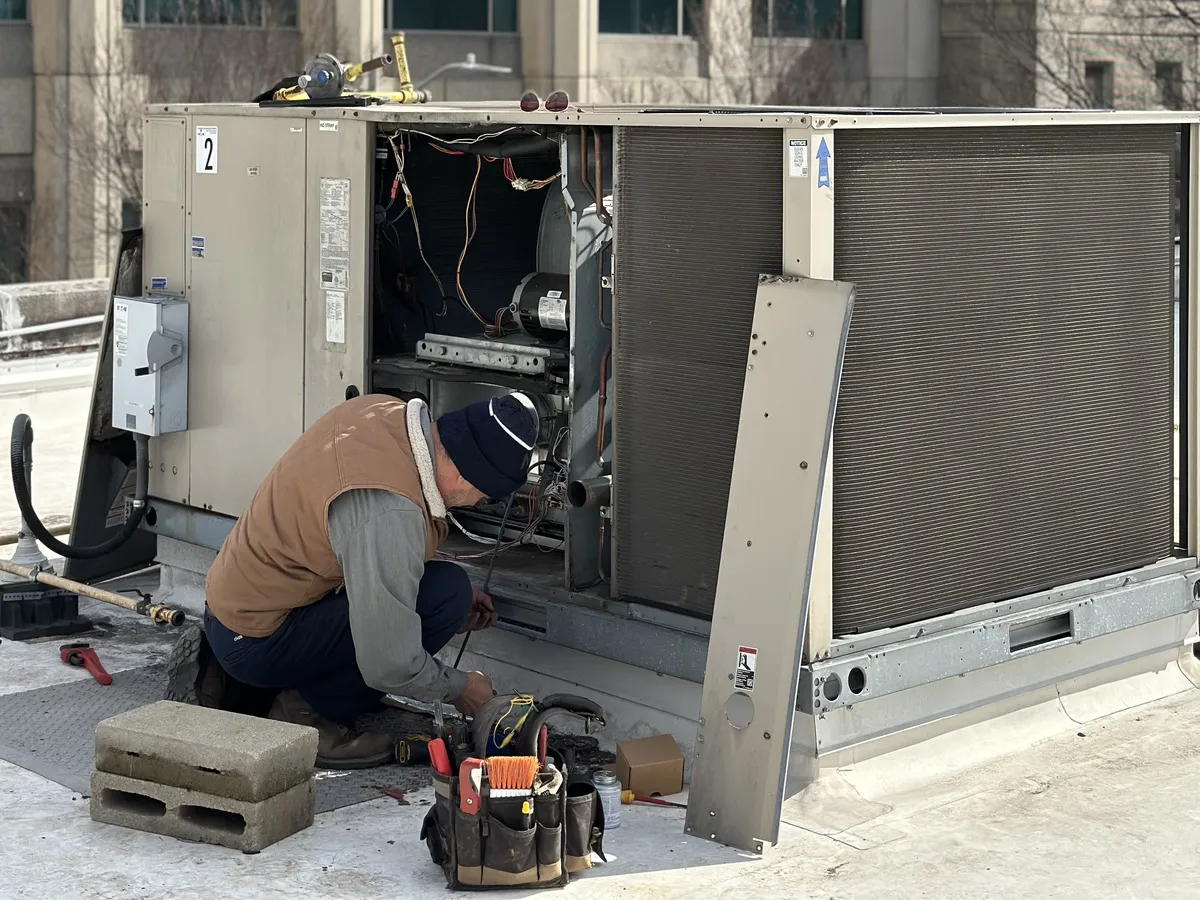
HVAC technician inspecting and servicing a commercial rooftop package unit with tools

Signs You Need This Service

  • System underperforming or inefficient
  • Unusual noises or odors
  • Inconsistent temperatures
  • Higher energy bills
  • System cycling frequently

Our HVAC Inspection Process

A thorough HVAC inspection uncovers hidden problems before they become expensive repairs. Here is what we check:

  1. Heating System Inspection — We examine the heat exchanger for cracks or corrosion, test ignition and burner performance, check gas connections and pressure, measure carbon monoxide levels, and inspect the flue and venting system.
  2. Cooling System Inspection — We check refrigerant levels, inspect compressor and condenser operations, examine the evaporator coil, test electrical components including capacitors and contactors, and verify the condensate drain is clear.
  3. Ductwork Evaluation — We inspect accessible ductwork for leaks, disconnections, and insulation condition. Duct problems can waste 20-30% of your heating and cooling energy, so this step often reveals significant savings opportunities.
  4. Energy Efficiency Assessment — We evaluate your system’s overall efficiency by measuring actual performance against manufacturer specifications and comparing your equipment to current SEER2 and AFUE standards.
  5. Written Inspection Report — You receive a detailed report documenting every finding — what is working well, what needs attention now, and what to plan for in the future — with estimated costs for any recommended repairs or upgrades.

Why Choose Icy Hot?

Your comfort and peace of mind are what drive everything we do. Here is what that means for you:

  • Diagnosed Right the First Time — Our NATE-certified technicians hold the industry’s top credential, so you are not paying for guesswork or repeat visits
  • No Surprise Bills — You see and approve every cost before we start. If the price changes, we stop and talk to you first
  • Premium Equipment, Fair Prices — As an Authorized Lennox Dealer, we offer top-rated systems that lower your energy bills and last longer
  • Help When You Need It Most — Day or night, a real person answers your call. No voicemail, no waiting until Monday
  • Your Home Is Protected — Fully licensed (NC #L.34356) and insured, so your property and investment are covered on every job

Brands We Service

As an Authorized Lennox Dealer, we specialize in Lennox systems. We also expertly service and install all major brands including Carrier, Trane, Rheem, Goodman, York, Amana, Daikin, Bryant, Coleman, and Ruud.

Frequently Asked Questions

How much does an HVAC inspection cost?
HVAC inspection costs vary based on the scope and purpose. A standard annual inspection or tune-up typically costs $80 to $200. A comprehensive whole-system inspection — the type recommended before buying a home — costs $200 to $500 depending on system complexity, home size, and your location. Individual component inspections (furnace only, AC only, or duct inspection alone) range from $50 to $180. Duct leakage testing, which measures how much conditioned air escapes through duct joints, adds $250 to $400 and takes about an hour. In the Raleigh market, expect pricing toward the middle of these ranges. Icy Hot offers thorough HVAC inspections with detailed written reports — contact us at (919) 673-7667 for current pricing.
What does an HVAC inspector check during an inspection?
A thorough HVAC inspection covers every major component of your heating and cooling system. The technician inspects the furnace or heat pump for proper operation, checks the heat exchanger for cracks (a critical carbon monoxide safety check), tests the ignition system and burners, and verifies gas pressure and venting. For cooling, they check refrigerant levels, inspect evaporator and condenser coils, test compressor amperage, and verify proper airflow and temperature differential. Electrical components are tested for safety — including wiring connections, capacitors, contactors, and safety switches. The thermostat is calibrated, ductwork is visually inspected for leaks and damage, and air filters are evaluated. The inspector measures system performance and notes the estimated remaining useful life of major components.
Should I get an HVAC inspection before buying a home?
Absolutely — a pre-purchase HVAC inspection is one of the smartest investments you can make as a homebuyer. Standard home inspections only cover basic HVAC functionality (does it turn on and produce heat or cool air), but they don’t test efficiency, refrigerant levels, heat exchanger integrity, or remaining lifespan. A dedicated HVAC inspection by a licensed technician costs $200 to $450 but can reveal issues that cost $5,000 to $15,000 to fix. In the Raleigh-Durham housing market, many homes have systems that are 10 to 15 years old and may need replacement within a few years. Knowing this before closing gives you negotiating leverage to request a price reduction or seller credit for HVAC replacement.
How often should I have my HVAC system inspected?
At minimum, schedule a professional inspection twice per year — in spring for your cooling system and in fall for your heating system. These seasonal inspections serve as both a health check and a tune-up, catching developing problems before they become emergencies. Homes with older systems (10+ years), occupants with allergies or respiratory conditions, or pets (which increase filter clogging and airborne particles) may benefit from quarterly filter checks and an additional mid-season inspection. If you notice any performance changes — unusual noises, reduced airflow, inconsistent temperatures, or rising energy bills — schedule an inspection promptly regardless of when your last one occurred. Early diagnosis almost always saves money compared to waiting for a breakdown.
What is the difference between an HVAC inspection and a tune-up?
While the terms are sometimes used interchangeably, there is a meaningful difference. An HVAC inspection is primarily a diagnostic assessment — the technician evaluates each component’s condition, identifies problems or wear, and provides a written report with recommendations. It answers the question: “What shape is my system in?” A tune-up includes the inspection but adds hands-on maintenance: cleaning coils, lubricating motors, tightening connections, calibrating the thermostat, and optimizing system performance. Think of an inspection as a doctor’s physical exam and a tune-up as the exam plus a treatment plan. Most annual maintenance visits combine both, providing inspection findings along with cleaning and adjustments in a single appointment.
Can an HVAC inspection help lower my energy bills?
Yes — an HVAC inspection can identify multiple sources of energy waste that, once corrected, reduce monthly utility costs. Common findings that impact efficiency include dirty coils reducing heat transfer by up to 30%, low refrigerant levels forcing the compressor to work harder, leaking ductwork losing 20% to 30% of conditioned air before it reaches your rooms, failing capacitors causing motors to draw excess electricity, and miscalibrated thermostats maintaining incorrect temperatures. After a thorough inspection, technicians can recommend targeted repairs and improvements that typically pay for themselves within one to two cooling seasons. In Raleigh, where summer cooling accounts for a significant portion of annual energy costs, even modest efficiency gains translate to meaningful savings.
What are red flags to watch for during an HVAC inspection?
Several inspection findings warrant immediate attention. A cracked heat exchanger is the most serious — it can leak carbon monoxide into your home and requires furnace replacement. Other critical red flags include refrigerant leaks (indicated by oil stains, ice buildup, or hissing sounds), electrical components showing burn marks or corrosion, a compressor drawing higher than normal amperage (a sign of imminent failure), and excessive rust or deterioration on the furnace or air handler cabinet. On the ductwork side, visible mold growth, disconnected sections, or severely crushed runs all require remediation. If an inspector finds multiple moderate issues on a system over 12 to 15 years old, replacement often makes more economic sense than repairing each problem individually.

Need Help Now?

(919) 673-7667

Available 24/7 for Emergencies

Schedule Service

Special Offer
$25
OFF
Any HVAC Service
Mention when you call

Ready for Year-Round Comfort?

Licensed & insured HVAC experts serving the Triangle since 2008

(919) 673-7667