Your heating system is running, your thermostat reads 68°F, and your energy bill just hit $250. Sound familiar? According to the U.S. Energy Information Administration, Southern households spent an average of $1,031 on electricity-based heating and $514 on natural gas heating during the 2025–2026 winter season. That’s real money — and much of it is preventable.
In fact, most Raleigh homes hemorrhage heat through fixable problems. Some cost nothing to address. Others pay for themselves within a single heating season. We’ve put together the strategies that actually move the needle, based on heating service patterns we see across the Triangle.
TL;DR: Raleigh homeowners can cut heating bills by 20–50% through a combination of air sealing, thermostat management, filter changes, and professional maintenance. The DOE estimates that air sealing alone saves 5–30% annually. Start with the free fixes and work up from there.
Where Does Your Heat Actually Go?
The U.S. Department of Energy reports that space heating accounts for roughly 45% of the average American family’s energy bills — making it the single largest energy expense in most homes. Before you can lower that number, you need to know where the heat is escaping. It’s rarely just one place.
1. Air Leaks and Drafts
Gaps around windows, doors, electrical outlets, and plumbing penetrations are the worst offenders. The DOE estimates that reducing drafts can save 5% to 30% per year on energy costs. For example, even small leaks compound quickly: a 1/4-inch gap under an exterior door lets in as much cold air as a 6-inch-square hole in the wall.
2. Ductwork Problems
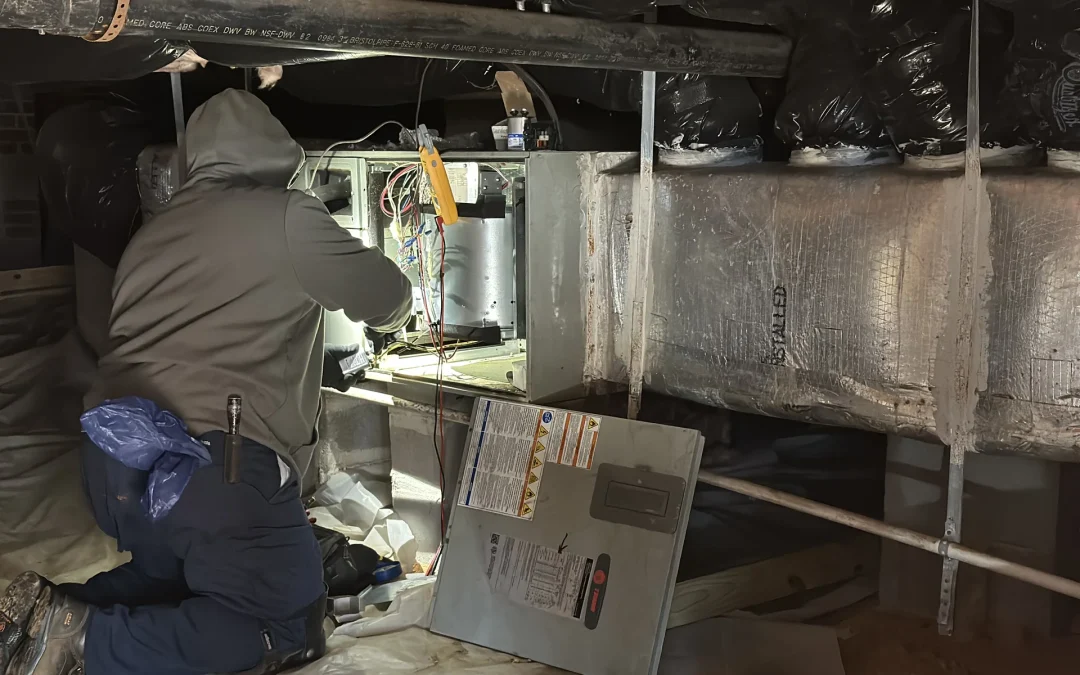
Additionally, here’s one that surprises people. ENERGY STAR reports that 20% to 30% of heated air is lost to leaky ducts, disconnected runs, and uninsulated duct sections in attics and crawlspaces. Sealing and insulating ducts can improve efficiency by as much as 20%. Professional duct sealing is one of the highest-ROI improvements you can make.
3. Poor Insulation
Raleigh sits in IECC Climate Zone 3. ENERGY STAR recommends R-49 to R-60 insulation for uninsulated attics in this zone (R-38 to R-49 if you already have 3–4 inches of existing insulation). Many Raleigh homes, especially those built before 2000, fall well short of these standards. An under-insulated attic is like wearing a t-shirt in January.
4. Windows
The DOE states that windows are responsible for 25% to 30% of residential heating and cooling energy use. On the other hand, single-pane windows and older double-pane windows with broken seals are the biggest culprits. Full window replacement is expensive, but there are affordable mitigation steps (covered below).
5. Inefficient Equipment
How old is your furnace? According to the DOE, older low-efficiency furnaces operate at just 56% to 70% AFUE (Annual Fuel Utilization Efficiency). As a result, 30–44 cents of every dollar spent on gas literally goes up the flue. Modern high-efficiency furnaces achieve 90% to 98.5% AFUE. If your unit is 15+ years old, an upgrade to a new high-efficiency furnace or heat pump could slash your heating costs by a third or more.
What Quick HVAC Adjustments Save Money Immediately?
The DOE confirms that simply adjusting your thermostat 7–10°F for 8 hours a day saves up to 10% annually on heating and cooling. Best of all, that’s a completely free fix. And it’s just the starting point — several other adjustments cost little or nothing.
Lower Your Thermostat Strategically
In Raleigh, setting the temperature to 62–65°F while you sleep and 68°F during the day is comfortable for most families. Don’t overthink it — even a 3–4 degree setback makes a measurable difference. The key is consistency over 8+ hours.
Change Your Filter — Seriously
Meanwhile, this one’s almost too simple. ENERGY STAR warns that airflow problems from dirty filters and blocked vents can reduce system efficiency by up to 15%. Check your filter monthly during heating season and replace it when it’s dirty. We’ve seen homeowners shave $10–20 off their monthly bill just by staying on top of this.
Reverse Your Ceiling Fans
Similarly, most ceiling fans have a reverse switch. In winter, run them clockwise at low speed. This pushes warm air pooled at the ceiling back down to living level without creating a noticeable draft. Won’t this really make a difference? In rooms with high or vaulted ceilings, absolutely — warm air rises, and without redistribution it stays up there doing nothing useful.
Use Window Treatments Wisely
Open south-facing curtains during the day to capture free solar heat. Close all curtains at night to add an insulating buffer. The DOE notes that about 30% of a home’s heating energy is lost through windows, and cellular (honeycomb) shades provide the best insulation value of any window treatment.
Seal Air Leaks Yourself
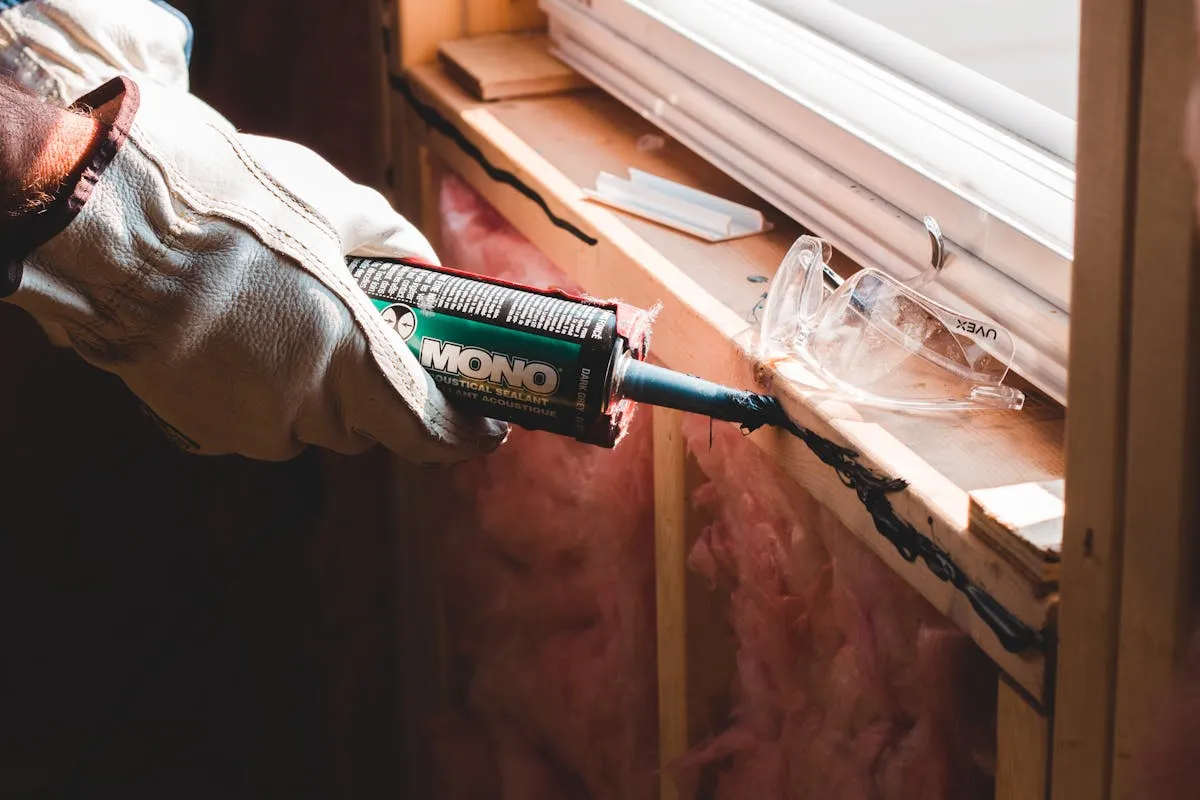
A $20 investment in caulk and weatherstripping can return $100+ per heating season. Here’s where to focus:
- Weatherstripping around all exterior doors
- Caulk around window frames (inside and outside)
- Foam gaskets behind outlet and switch plate covers on exterior walls
- Weatherstripping and foam board insulation on the attic hatch
- Expanding foam around plumbing and wiring penetrations in exterior walls
Altogether, this takes an afternoon. In our experience, it’s the single best dollar-for-dollar DIY improvement available to Raleigh homeowners.
How Much Can a Smart Thermostat Save You?
ENERGY STAR data shows that certified smart thermostats save homeowners approximately 8% on heating and cooling bills, or about $50 per year on average. Moreover, homes that are unoccupied for much of the day can save up to $100 annually.
Is that worth a $150–$250 investment? For most families, yes — the payback period is one to two heating seasons. Options like the Nest Learning Thermostat, Ecobee, and Honeywell T9 learn your schedule, detect occupancy, and optimize heating cycles automatically. They’re not magic, but they eliminate the manual discipline that thermostat setbacks require.
Need help choosing or installing one? Our thermostat guide covers what works best for different system types.
Is a Heating Tune-Up Worth the Cost?
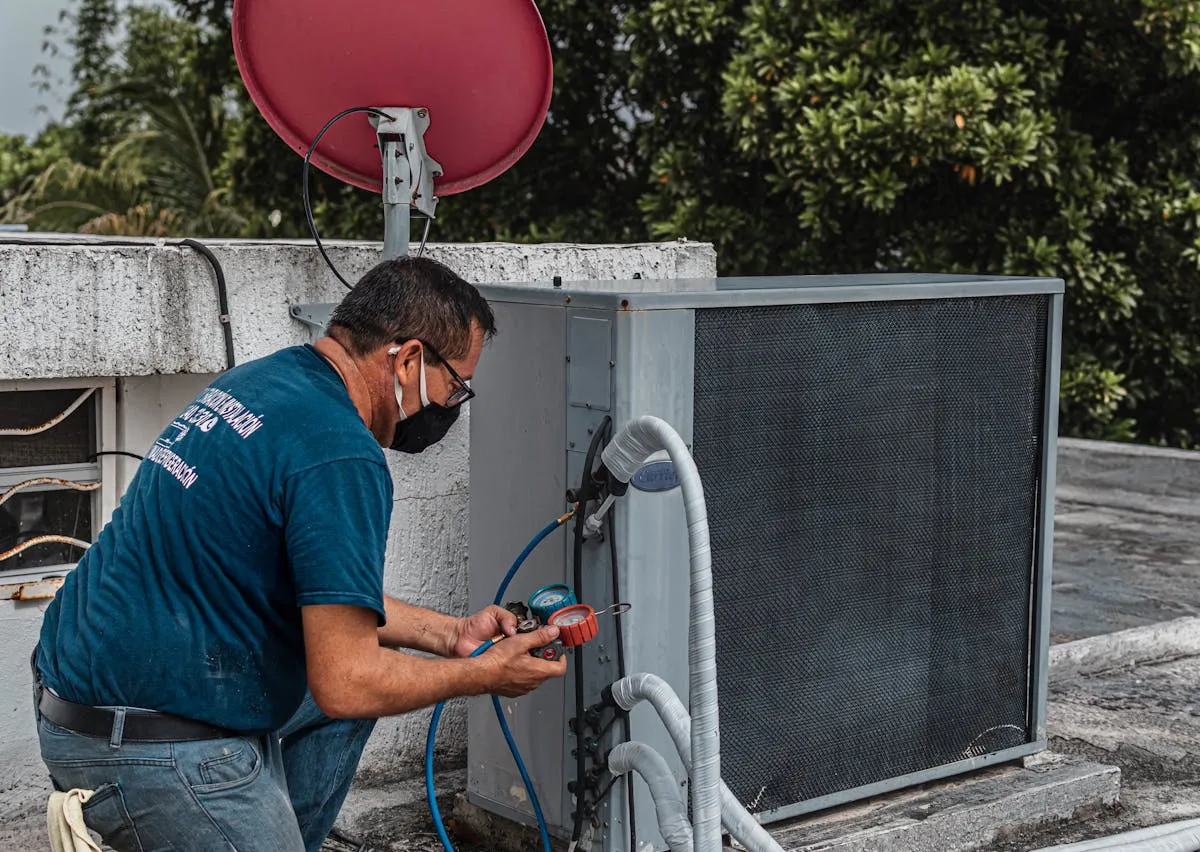
Short answer: yes. ENERGY STAR’s maintenance checklist confirms that neglected airflow and dirty components can reduce efficiency by up to 15%. A professional heating system tune-up typically runs $175 to $350 (HomeAdvisor, 2025) and delivers measurable returns:
- Efficiency recovery: In other words, cleaned and calibrated systems eliminate that 15% airflow penalty
- Longer equipment life: ASHRAE data puts the median furnace lifespan at 18 years and heat pump lifespan at 15 years — regular maintenance helps systems reach and exceed those medians
- Safety: Technicians check for carbon monoxide leaks, cracked heat exchangers, and electrical hazards that can’t be detected without professional instruments
- Breakdown prevention: Worn capacitors, loose connections, and dirty coils are caught during a tune-up — before they cause a failure on the coldest night of the year
From what we’ve seen across thousands of Raleigh service calls, the homeowners who schedule annual tune-ups almost never call us for emergency repairs. That’s not a coincidence. Maintenance packages that bundle heating and cooling tune-ups offer the best per-visit value.
When Should You Replace Instead of Repair?
The DOE’s furnace efficiency data makes a compelling case: upgrading from a 56–70% AFUE furnace to a 90%+ AFUE unit can cut gas heating costs by 20–40%. Sometimes repair is the right call. But not always.
Consider replacement when:
- Your furnace is 15+ years old and operating below 80% AFUE
- Your heat pump is 10+ years old — newer models are significantly more efficient, especially in Raleigh’s moderate climate where heat pumps excel
- Repair costs exceed 50% of replacement cost — the repair-vs-replace calculation tips decisively toward replacement at that threshold
Heat Pump vs. Furnace: Which Saves More in Raleigh?
Here’s where Raleigh’s climate gives you an advantage. Because winter temperatures in the Triangle typically stay above 25°F, heat pumps operate at peak efficiency for most of the heating season. According to the DOE, heat pumps can deliver 1.5 to 3 times more heating energy than the electrical energy they consume. That translates to significantly lower operating costs compared to even a high-efficiency gas furnace in mild-to-moderate climates like ours.
However, if your home relies on natural gas and you already have gas infrastructure, a 96% AFUE furnace may still be the more cost-effective upgrade path. The right choice depends on your current setup, fuel costs, and whether you also want to replace your AC at the same time — since a heat pump handles both.
Are There Rebates for Heating Upgrades in Raleigh?
Yes — and they can significantly reduce the upfront cost. The federal Inflation Reduction Act offers up to $2,000 in tax credits for qualifying heat pump installations and up to $1,200 for insulation, windows, and other efficiency upgrades. These credits apply to the 2025 and 2026 tax years.
At the state level, Duke Energy runs seasonal rebate programs for smart thermostats, HVAC tune-ups, and insulation upgrades for customers in the Raleigh service area. Rebate amounts and availability change periodically, so check their website or ask us during your next maintenance visit — we keep track of current programs.
Between federal tax credits, utility rebates, and manufacturer incentives (like the current Lennox rebate program offering up to $1,800 back), many homeowners recover 30–50% of their upgrade costs. That shortens the payback period considerably.
Start Saving This Week
You don’t need to tackle everything at once. Start with the free and low-cost steps this weekend — thermostat adjustments, filter changes, air sealing — and build from there. The DOE estimates that combining proper maintenance with insulation, air sealing, and thermostat settings can cut heating and cooling costs by 20% to 50%. Even small changes compound into real savings over a heating season.
Call (919) 673-7667 to schedule a heating system tune-up or energy efficiency consultation. At Icy Hot Heating & Air Conditioning, we help Raleigh homeowners stay warm without paying more than they should.
